Problem
- AI copilots made writing code cheap.
- The constraint moved downstream — review, integration, tech debt, security.
- Each SDLC stage is still optimised in its own silo.
AI copilots made writing code cheap, so the constraint moved downstream — review, handoffs, compliance. But most enterprise AI stays trapped in silos. Each platform below replaces a siloed step with one governed agentic layer — and each is sized like a P&L, not a demo.
METRIC FLAGS: E — EVIDENCED I — ILLUSTRATIVE / DIRECTIONAL TARGET — every number below carries one.
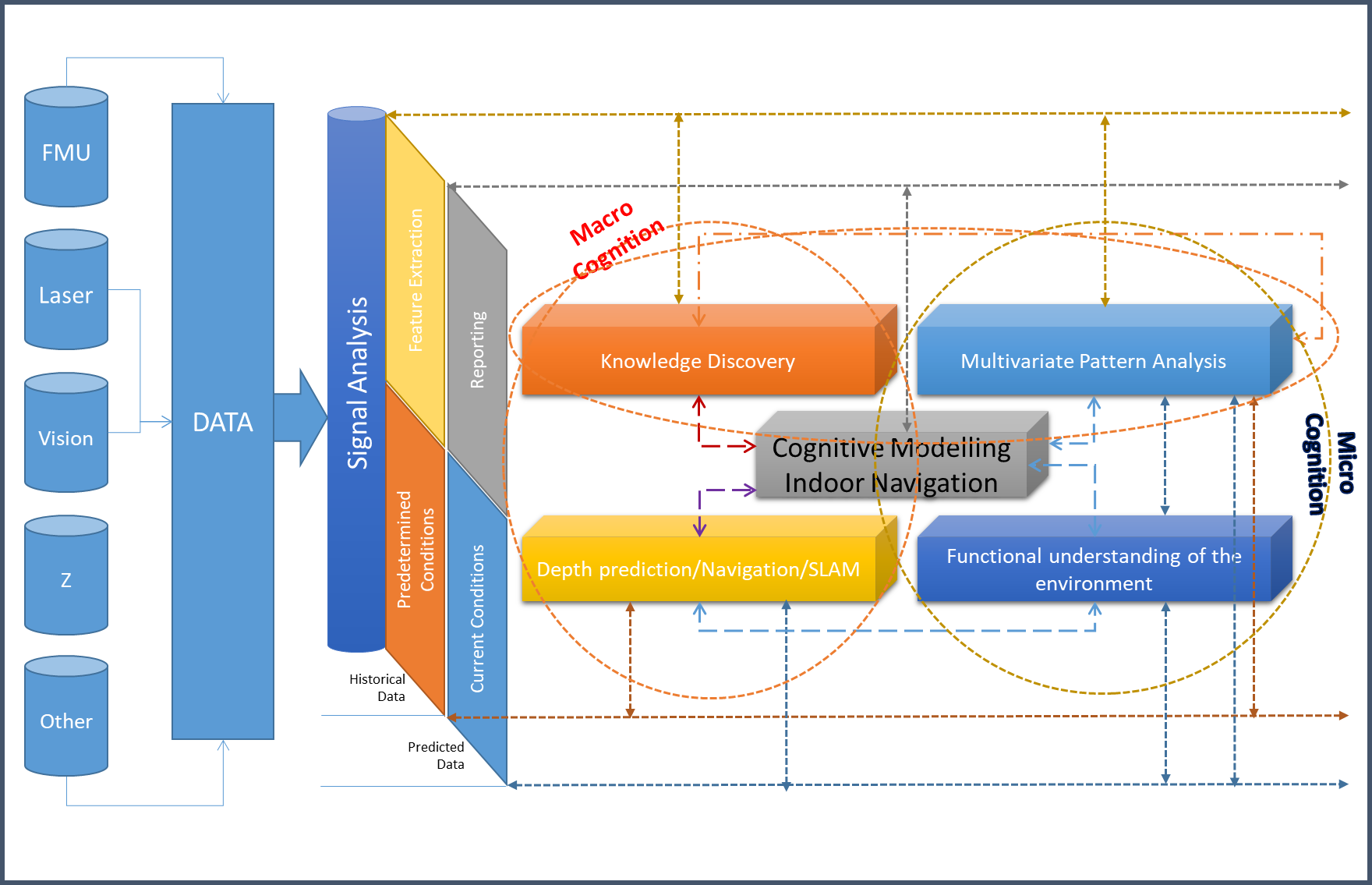
Agentic Unified Reactive Agile platform. A custom agentic framework with an abstraction layer over agents, agile-role agents inside VSCode / IntelliJ, and MCP servers wiring Jira, ServiceNow, Confluence, MBSE, Rhapsody and LINK. Built around MCP and A2A, with multi-LLM routing and distributed inference over vLLM + Ray. Brownfield-first.
An agentic orchestration ecosystem: every SDLC phase is an agent, and the loop runs from requirements to end-to-end without a human carrying context across boundaries. The healing agent patches loop-backs without a full rollback.
Vehicle-OS UX guidelines are intricate enough to overload designers, and compliance takes multiple rounds of manual review. GenUI collapses guideline review and prototyping into one dual-mode tool: Reviewer Mode files compliance tickets automatically; Generator Mode turns text or sketches into standards-aligned HTML/CSS prototypes, integrated with Figma and Adobe XD.
Every win started by naming the true bottleneck, not the obvious one. AI made code cheap — so review, handoffs and compliance became the constraint.
Point fixes only move the bottleneck; platforms remove it. AURA, the Customer Portal and GenUI each replace siloed steps with one governed agentic layer.
Each initiative is sized bottom-up — cost pool × evidenced uplift, net of a verification tax — so the number is defensible, not aspirational.
Three repositories where the autonomous-SDLC, declarative-agent and on-device-AI patterns live in public — Rust and C++, deployable from a laptop to a cluster.
Nine specialised agents — Architect, Developer, Tester, Reviewer, DevOps, Research, plus a 3-stage Playwright pipeline that plans, generates and self-heals browser tests. Three-provider failover across Gemini, Claude and Azure OpenAI; every action gated through an approval dashboard; 207 tests passing. Runs entirely on your own hardware.
A declarative format for portable AI agents — one file defines tools, memory, multi-model orchestration, pipelines and the service layer. Ten LLM providers. Run locally, serve as HTTP, or deploy to Kubernetes via the official Helm chart and AgentDeployment CRD. SPAWN · PARALLEL · AGGREGATE for multi-agent topologies.
Language models injected at the kernel level — pseudo-level layering, on-device small LMs, a finite-state machine for state and recovery, and Sentinel AI for real-time monitoring, jailbreak prevention and self-healing. The edge-AI thesis from the flight-computer days, applied to the operating system itself. Targets Android, Ubuntu Touch, web-OS.
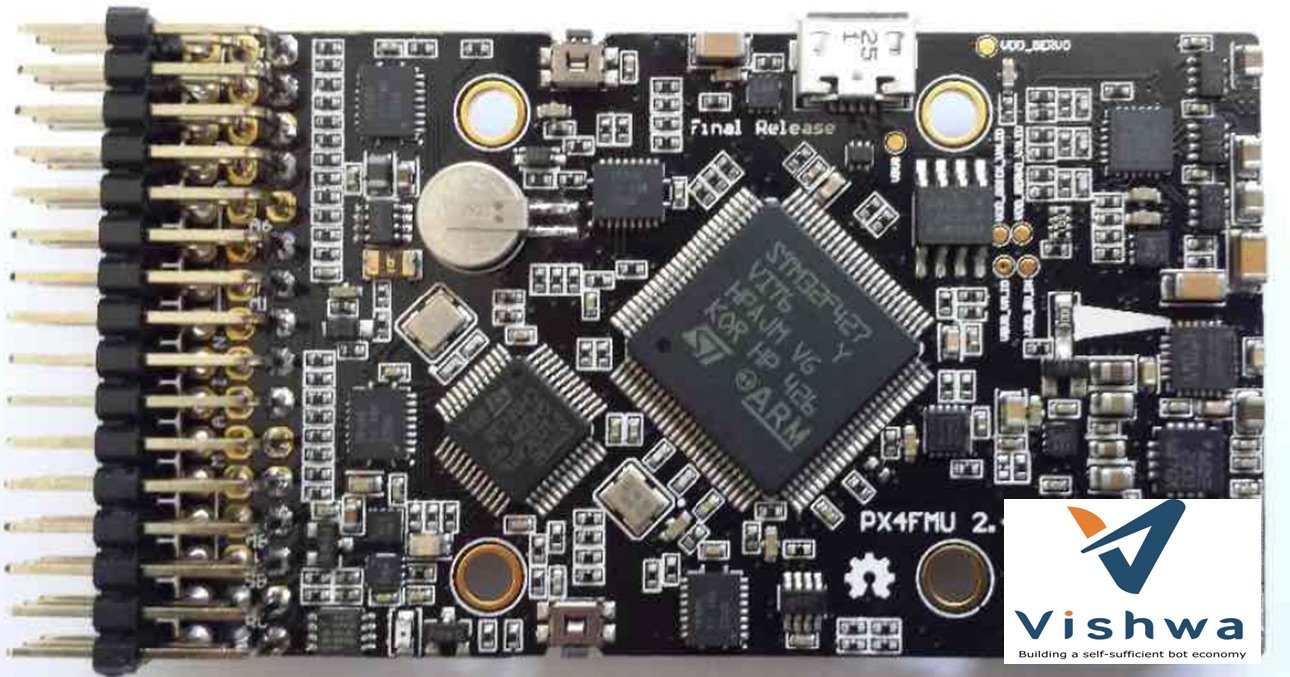
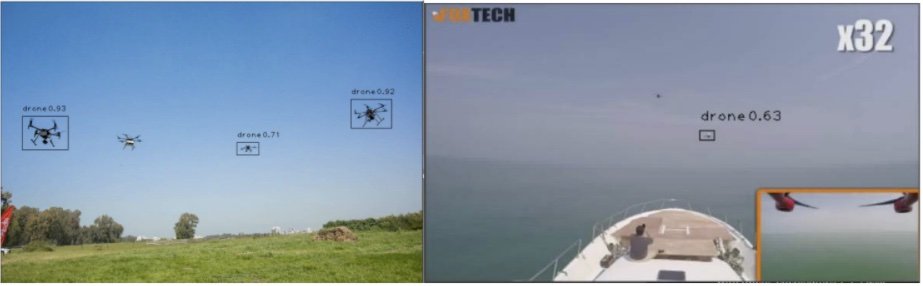
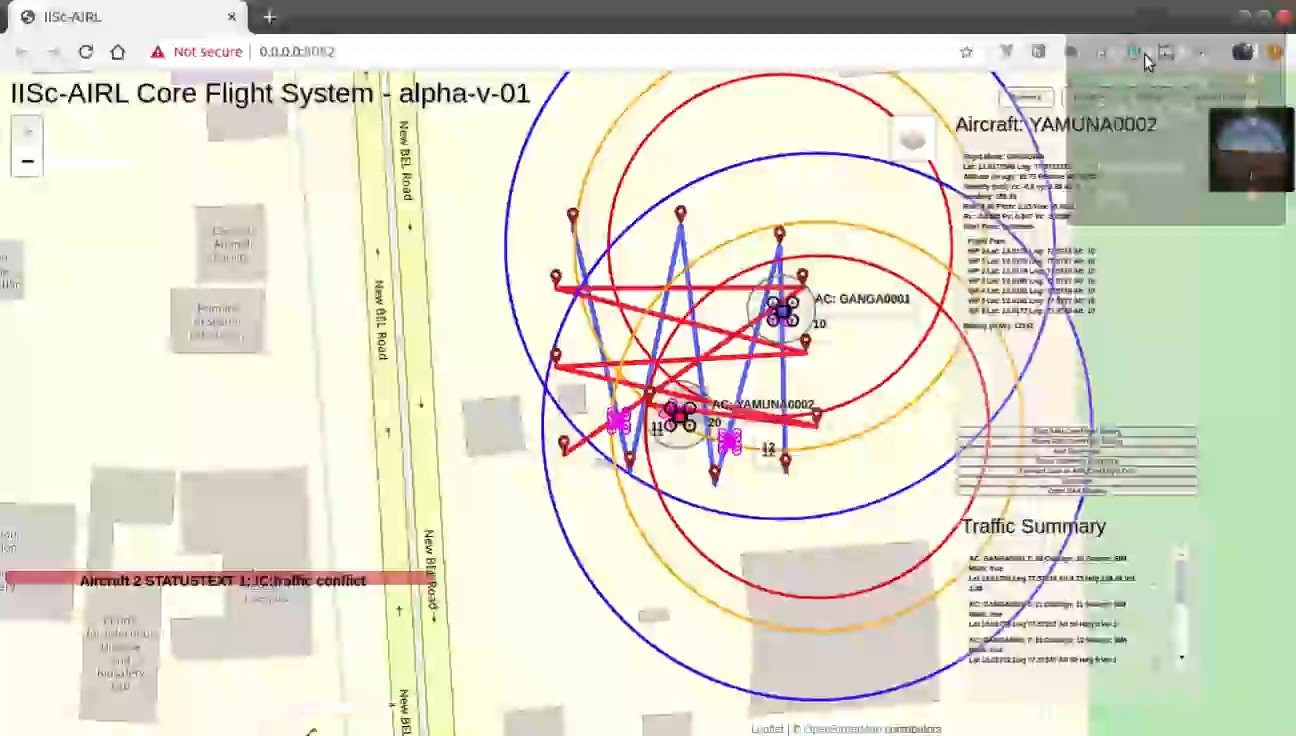
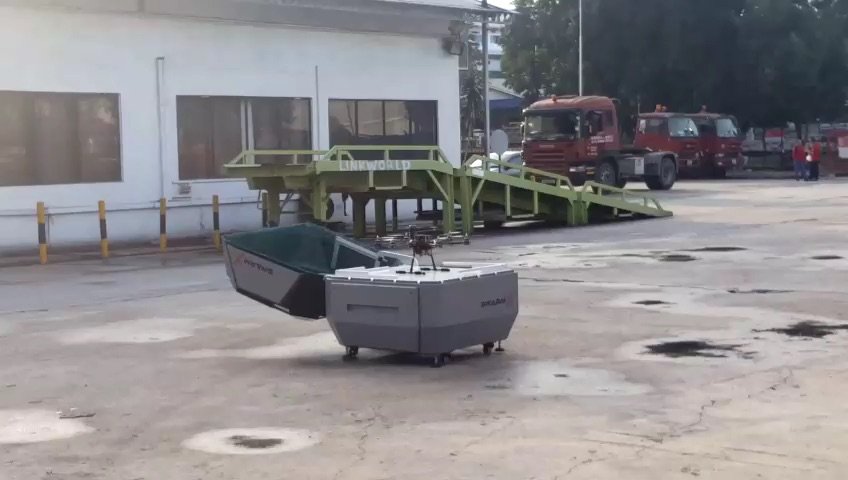
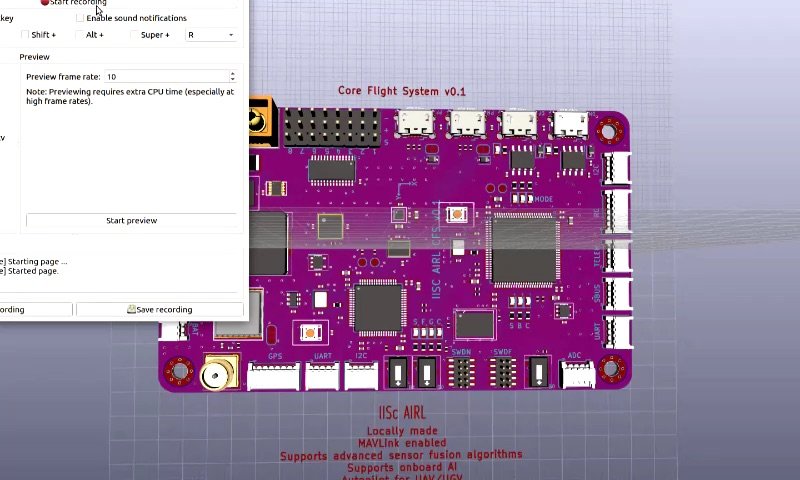
The hardware built, the demos flown, the dashboards shipped — NTU, SwarmX, Republic Polytechnic, Vishwa Dynamics, and two 2025 refreshes. Stills first, then the tapes.